Reigate History
Reigate & Redhill DVDs and associated local history

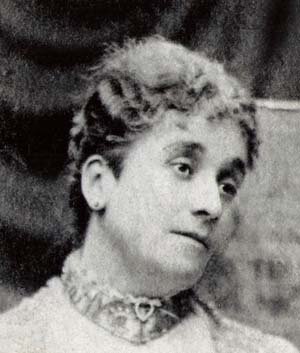
Lady Henry Somerset
1851 - 1921
A Talent For Humanity - by Ros Black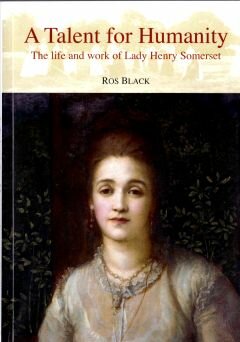
This book by Ros Black is a most enjoyable read. If you thought you knew all about Lady Henry Somerset at the Priory and Duxhurst, think again. This book not only tells the story of Lady Henry Somerset's International Campaigning for "Humanity" but also gives a fascinating insight into Victorian Society and Values. In fact you could almost categorise it as a page-turner! You can order your copy from the Reigate Shop. |
|
|
Article by Ros Black
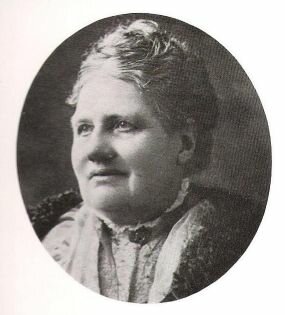
Lady Henry Somerset (nee Isabel Caroline Somers Cocks) was the daughter of the 3rd Earl Somers, owner of Reigate Priory from 1852-1883. Despite her aristocratic background, she was a social pioneer, devoting much of her later life to the care of inebriate women. Isabel married Lord Henry Somerset, 2nd son of the Duke of Beaufort, master of Badminton. Sadly the marriage was very unhappy, for Lord Henry was gay. When Isabel challenged him in court for the custody of their young son, she caused outrage in high society. Homosexuality at that time was a crime and Lord Henry was Comptroller of the Queen's Household. Convention decreed that a wife should have turned a blind eye to such behaviour. But not Isabel! She was granted custody of her son, and retreated for several years to the peace and seclusion of Reigate Priory, whilst her husband, from whom she never divorced, withdrew to Italy. Lady Henry was deeply religious. After her father's death, she made Eastnor Castle, near Ledbury, her main home as this was also part of the Somers estates. It was in Ledbury that she first became involved with the Temperance Movement, a growing body of opinion seeking to curb liquor sales. Isabel saw for herself the squalor and degradation caused by alcohol and drug abuse. She was not afraid to visit the slums of Ledbury's Bye Street or London's East End.
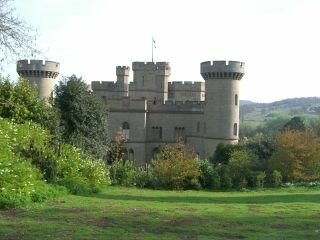
Eastnor Castle She took the Total Abstinence Pledge herself and banned liquor from the Priory and Eastnor. She accepted the presidency of the British Women's Temperance Association, a role she embraced with such enthusiasm that she became famed as a powerful orator and packed halls both throughout Britain and America. She became close friends with the American temperance leader, Frances Willard and the 2 women went on many campaigns together. Lady Henry became involved in many of the social issues of the time, including women's suffrage, child cruelty and labour rights. She was however a great realist. She knew alcohol was never likely to be banned in this country, so she advocated restricting opening hours and the right for local councils to withdraw licences. She never blamed the people who had fallen prey to the curse of drink. Instead she looked to solve the problems that had caused them to turn to drink in the first place. Her most ambitious project was the creation of a Farm Colony for Inebriate Women at Duxhurst, just south of Reigate. In this rural location, she housed grand ladies, middle class women and the poor and destitute - for she recognised that alcoholism was no respecter of class. The ladies lived in the Manor house. Often these were the celebrities of their time, checking in for rehab much as they do today in other clinics.
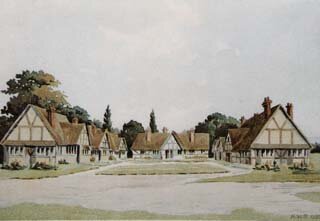
Duxhurst Village Those who could afford it paid towards their keep but many were referred by the authorities and, in due course, several of the cottages were licensed to take patients under the new Inebriates Act, as an alternative to prison. At Duxhurst, Lady Henry created a real village with charming cottages around a village green, a hospital, a recreation hall, chapel and a children's home, the "Nest". She promoted the idea of occupational therapy, bringing in a Lady Gardener to show the patients how to grow and harvest vegetables and flowers. There was a dairy farm and other industries, including weaving, basket making and pottery. The church was at the heart of the community. Lady Henry believed that once physical welfare had been addressed the women needed to find inner strength through God so as to be able to resist temptation when they returned to their previous lives. Lady Henry had her own "cottage" (actually a very substantial thatched house) on the site and spent most of her later years personally working with the patients, usually wearing a simple nurse's uniform.
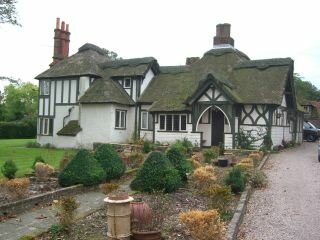
The 'cottage' at Duxhurst Duxhurst went through many changes, even during Lady Henry's time, and there was never enough money to do all that she would have liked. She put considerable time and effort into raising funds, even writing a book "Beauty for Ashes" to promote the scheme. During the First World War the manor house was commandeered as a Red Cross Hospital. Britain now had other priorities and the patients were disbursed across the country. The children's home remained, although it effectively became a home for illegitimate babies. Today the Duxhurst village no longer exists. Few original buildings remain and sadly those who benefited from the project's care have passed away. Just a few broken gravestones hidden in tangled undergrowth are all that is left of the splendid church. How sad it is that there is no lasting memorial to Lady Henry's work here in Reigate. If you are interested in Lady Henry Somerset see below for information about a new DVD. New Book by Ros Black SCANDAL, SALVATION AND SUFFRAGE – THE AMAZING WOMEN OF THE TEMPERANCE MOVEMENTIf you are intrigued by the story of Lady Henry Somerset, then you may like to read more about some of the other women who worked tirelessly for the temperance cause in Victorian times. These women didn’t let their lack of a political voice hinder their work. They made headlines in their day, yet now they are largely forgotten.
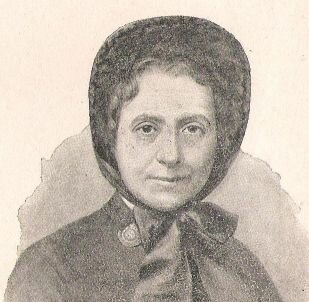
Agnes Weston
Catherine Booth
Contributed by author Ros Black. Further Reading
|
|
|
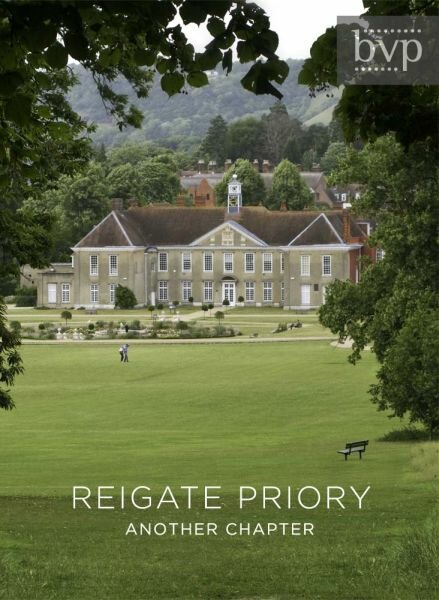
Reigate Priory - Another Chapter, DVD If you enjoyed this article you may like to know about the DVD produced by BVP, "Reigate Priory - Another Chapter". It includes Lady Henry Somerset's time at the Priory, her designs for the grounds and how these influenced the recent restoration project. Further information here. |
Reigate Priory 1921 - 48, DVD This DVD covers the last era when house was in private ownership including Admiral Beatty's time and the 2nd world war. Only available for purchase online . More info and video clip here. |